
YE888 Oficial 💯️ - O melhor cassino online do Brasil | Exploring the World of Tabletop Games: A Deep Dive into their Charm and Complexity
An in-depth exploration of tabletop games, highlighting their unique appeal, intricate designs, and cultural significance. de YE888 Oficial 💯️ - O melhor cassino online do Brasil
Introduction to Tabletop Games
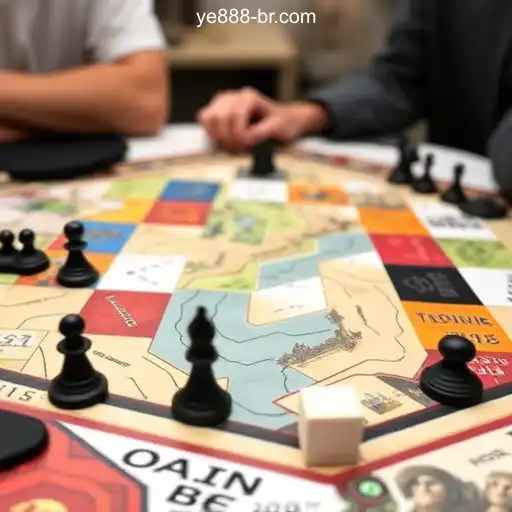
Tabletop games have long been a source of entertainment and engagement across cultures. These games span a vast range of genres, themes, and complexities. From traditional board games like chess and checkers to modern strategic adventures and role-playing games, the world of tabletop gaming offers something for everyone. The resurgence of tabletop games in recent years highlights their timeless appeal and the unique social interactions they foster.
The Diversified Landscape of Tabletop Games
The world of tabletop games is diverse, encompassing various categories and styles. Some games focus on strategic decision-making, requiring players to think critically and plan several moves ahead. Others emphasize storytelling, where narratives unfold based on players' choices. This multifaceted genre has been further enriched by the integration of digital elements, adding new layers of interaction and complexity.
Strategic Games form a core component of the tabletop world. Classic games like chess and Go have inspired countless variations and adaptations. Modern strategy games such as Catan and Ticket to Ride introduce players to intricate mechanics, where resource management and tactical planning are paramount.
Role-Playing Games (RPGs), like Dungeons & Dragons, allow participants to immerse themselves in fictional worlds, assume character roles, and embark on epic adventures. These games often involve a game master or narrator who guides the story, presenting players with challenges and obstacles to overcome. The social, collaborative nature of RPGs fosters a strong sense of community among players.
The Cultural Impact of Tabletop Games
Tabletop games have a significant cultural impact, serving as mediums for social interaction, education, and even artistic expression. They are often seen as tools for bringing people together, allowing individuals to connect in shared experiences and collective storytelling.
In educational settings, tabletop games are increasingly used as pedagogical tools. Games that simulate historical events, economic principles, or scientific concepts provide engaging ways to reinforce learning objectives. Furthermore, the cooperative aspects of many games help develop important skills such as teamwork, problem-solving, and communication.
The artistic elements of tabletop games should not be underestimated. The visual design, narrative depth, and thematic richness can transform a simple game into a work of art. From intricately designed game pieces to beautifully illustrated boards, the artistry involved in creating tabletop games adds an aesthetic dimension that enhances the player experience.
Evolving Trends in Tabletop Gaming
The tabletop gaming industry is continually evolving, driven by innovations in game mechanics and player interactions. Some current trends influencing this evolution include the rise of crowdfunding platforms, the blending of physical and digital game elements, and the increasing popularity of escape room-style games.
Crowdfunding platforms like Kickstarter have revolutionized game funding and development. They allow independent creators to bring their visions to life, resulting in an explosion of unique and creative projects. This democratization of the gaming industry has led to a greater diversity of game themes, styles, and complexities.
Another exciting trend is the integration of digital elements into traditional tabletop games, creating a hybrid experience where mobile apps and augmented reality enhance gameplay. These innovations expand the possibilities of tabletop gaming, offering dynamic experiences that can adapt and change based on player decisions.
Finally, the popularity of escape room games has translated into the tabletop world, with players collaborating to solve puzzles and unravel mysteries within a set timeframe. This genre combines problem-solving skills with teamwork, offering immersive experiences that challenge players' wits and creativity.
Conclusion
The enduring appeal of tabletop games lies in their ability to bring people together, challenge intellects, and provide avenues for creative expression. As the industry continues to innovate and expand, the future of tabletop gaming promises even more exciting developments, ensuring these games remain a beloved pastime for generations to come.
